Buying commercial property is not like buying a house. The dollar amounts are bigger, the legal exposure is wider, and the list of things that can go wrong before and after closing is longer than most buyers expect going in. An ALTA survey sits near the top of the due diligence checklist for good reason. It answers specific questions about a property that no other document in the transaction actually covers, and skipping it tends to create problems that show up at the worst possible time.
Why Commercial Buyers Cannot Afford to Rely on Assumptions
Commercial real estate deals move on information. The asking price, the financing terms, the insurance coverage, all of it gets built on what the parties believe to be true about the property. When those beliefs turn out to be wrong, the cost of the correction falls on whoever made the assumption.
That happens more often than people expect. A buyer assumes the parking lot falls entirely within the property boundary. It doesn’t. A buyer assumes the access easement shown on an old plat is still valid. It lapsed years ago. A buyer assumes the building sits where the listing says it sits relative to the road. The survey shows a different story.
None of these are exotic scenarios. They’re routine discoveries on commercial transactions where someone skipped the survey or ordered a cheaper alternative that didn’t capture enough detail. The dollar gap between what a buyer thought they were getting and what they actually got can be significant, and by the time closing has happened, the options for addressing it are limited.
An ALTA survey verifies the physical facts of a property before any money changes hands. That verification is what separates an informed purchase from an expensive guess.
How an ALTA Survey Helps Multiple Parties Work From the Same Information
A commercial transaction involves a lot of people who all need accurate property information to do their jobs. The buyer’s attorney needs to review easements. The lender needs to understand encumbrances. The title company needs to know what it’s insuring. The seller needs documentation that supports the representations being made.
When each of these parties is working from different sources, small discrepancies turn into big delays. Someone finds something in the title search that contradicts the old survey on file. The lender’s underwriter asks for clarification on an access issue that nobody flagged earlier. The title company puts exceptions on the policy that the buyer’s attorney wasn’t expecting.
An ALTA survey gives everyone in the transaction a single, current, detailed picture of the property. The boundary is confirmed. Easements are located and shown. Improvements are mapped. Encroachments, if any exist, are identified. When all parties are looking at the same document, the transaction moves faster and the surprises that tend to derail closings are far less likely to appear.
Understanding Why Commercial Due Diligence Extends Beyond Financial Records
Most buyers spend serious time on the financial side of due diligence. They review leases, study rent rolls, analyze operating expenses and order appraisals. That work is necessary. But it only tells part of the story.
A property’s financial performance doesn’t tell a buyer whether the building encroaches on a neighboring lot. It doesn’t show whether a utility easement runs through the section of the parking lot where an expansion was being planned. It doesn’t confirm whether the access point shown on the site plan actually aligns with where the driveway sits in real life.
Those are physical facts about the property, and financial documents don’t capture them. An ALTA survey does. It looks at the land itself, not the income it produces, and answers questions that no lease abstract or environmental report is designed to address. Skipping this part of due diligence because the financials look clean is a mistake that experienced commercial buyers don’t make twice.
Why Clear Property Documentation Can Strengthen Financing and Insurance Decisions
Lenders and title insurers spend a lot of time evaluating risk on commercial transactions. Both groups are looking for reasons to feel confident about what they’re backing, and both groups rely heavily on documentation to make that call.
An ALTA survey gives lenders a verified picture of the property they’re taking as collateral. When the survey confirms that boundaries are clean, that no unexpected encroachments exist and that easements are documented and located, underwriting moves more smoothly. Lenders don’t have to ask as many follow-up questions because the answers are already in the survey.
Title insurers work the same way. The survey informs what exceptions go on the policy and what the insurer is willing to cover. A property with clear, well-documented survey information typically results in a cleaner title policy. That matters to buyers because a policy loaded with exceptions provides less actual protection than it appears to on the surface.
Some of the specific items an ALTA survey addresses that directly affect insurance and financing decisions:
- Boundary locations and any gaps or overlaps with adjacent parcels
- Recorded easements and whether improvements conflict with them
- Encroachments onto or from neighboring properties
- Access points and whether they align with recorded rights
How an ALTA Survey Continues to Provide Value After the Purchase Is Complete
The survey doesn’t stop being useful the day after closing. Commercial property owners come back to their ALTA survey regularly, sometimes years later, for reasons that have nothing to do with the original purchase.
Refinancing requires updated documentation. A lender coming in years after the original transaction may want a current survey or may accept the existing one with a recertification. Either way, having a clean ALTA survey on file speeds up that process.
Tenant improvement projects raise questions about what’s inside the property lines and where existing easements run. An owner planning an addition needs to know exactly where the boundary sits before drawing up plans. Asset managers use survey data when evaluating properties for portfolio purposes. And when the property eventually goes back on the market, having solid survey documentation in the file makes the next buyer’s due diligence easier and gives the seller’s representations a stronger foundation.
The survey done at acquisition becomes part of the property’s permanent record. The cost gets paid once. The usefulness doesn’t have an expiration date.
Frequently Asked Questions
Why do commercial buyers order an ALTA survey?
Commercial buyers use ALTA surveys to obtain accurate property information and support informed purchasing decisions.
Who uses the information provided in an ALTA survey?
Buyers, lenders, title companies, attorneys and other professionals involved in the transaction may rely on the survey.
Is an ALTA survey considered part of commercial due diligence?
Yes. An ALTA survey is commonly used as part of the broader due diligence process before a commercial property purchase.
Can an ALTA survey help with financing and title insurance?
Yes. Lenders and title insurers often use survey information when evaluating a commercial property transaction.

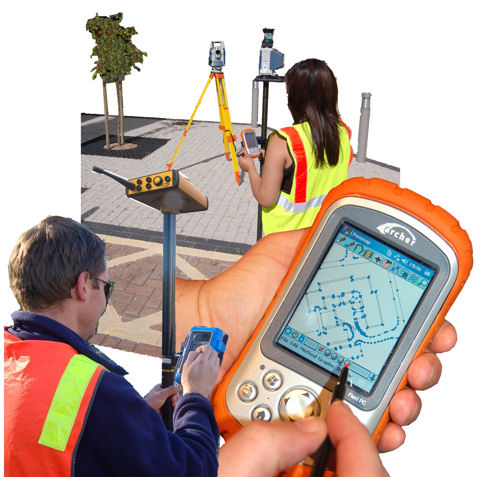 Land Surveyors are professionals who make precise measurements to determine the size and boundaries of a piece of real estate. While this is a simplistic definition, boundary surveying is one of the most common types of surveying related to home and land owners. If you fall into the following categories, please click on the appropriate link for more information on that subject: