↓
 

Chicago Land Surveying

Chicago Land Surveying
(312) 313-1953
Chicago Land Surveying
  • Home
  • Services
    • ALTA Survey
    • Boundary Surveying
    • Construction Survey
    • Drone LiDAR Mapping
    • Elevation Certificate
    • Land Surveying
    • Topographic Survey
  • About Us
  • Blog
  • Contact Us
Home 1 2 3 … 6 7 >>

Post navigation

← Older posts

Welcome to Chicago Land Surveying

Chicago Land Surveying Posted on August 18, 2015 by ChicagoSurveyorJanuary 21, 2018

Welcome to Chicago Land Surveying

This site is intended to provide you with information on Land Surveying in the ​Chicago, IL and Cook County area of Illinois. If you’re looking for a Chicago Land Surveyor, you’ve come to the right place. If you’d rather talk to someone about your land surveying needs, please call our local number at (312) 313-1953 today. For more information, please continue to read.

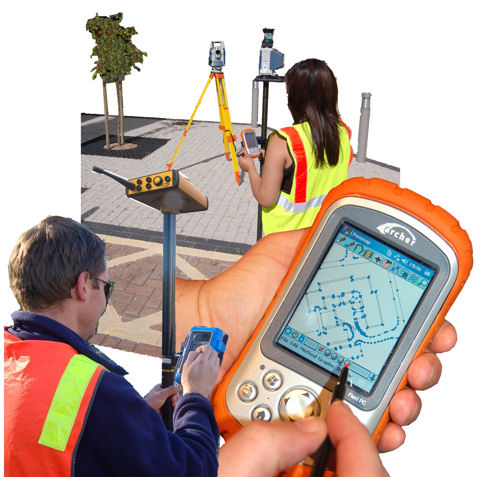
madison land surveyingLand Surveyors are professionals who make precise measurements to determine the size and boundaries of a piece of real estate.  While this is a simplistic definition, boundary surveying is one of the most common types of surveying related to home and land owners. If you fall into the following categories, please click on the appropriate link for more information on that subject:



Chicago Land Surveying services:

    1. I need to know where my property corners or property lines are. (Boundary Survey)
    2. I have a loan closing or re-finance coming up on my home in a subdivision. (Lot Survey)
    3. I need a map of my property with contour lines to show elevation differences for my architect or engineer. (Topo Survey)
    4. I’ve just been told I’m in a flood zone or I’ve been told I need an elevation certificate in order to obtain flood insurance or prove I don’t need it. (Flood Survey)
    5. I’m purchasing a lot/house in a recorded subdivision. (Lot Survey – See Boundary Survey)
    6. I’m purchasing a larger tract of land, acreage, that hasn’t been subdivided in the past. (Boundary Survey)

Contact Chicago Land Surveying services TODAY at (312) 313-1953.

Posted in construction, flood damage, land surveying, land surveyor | Tagged land surveyor, Madison AL Land Surveyor, Madison Land Surveying

What a Boundary Line Survey Can Reveal on Older Lots

Chicago Land Surveying Posted on June 12, 2026 by ChicagoSurveyorJune 8, 2026
Older Chicago neighborhood with closely spaced homes and lots requiring a boundary line survey

In Chicago, Illinois, many residential lots were laid out in the late 1800s and early 1900s. Most have changed hands many times since then. Each sale relied on old records to describe where the property lines were. But those records do not always match what is actually on the ground today. If you own or are buying one of these older lots, a boundary line survey can uncover things that title searches and county records simply cannot show you.

A typical Chicago lot is 25 feet wide and 125 feet deep. That was the standard set more than a century ago. The markers that once showed the corners of those lots, iron pins, rebar, and concrete posts, have been moved, buried, or lost over the years due to construction, landscaping, and utility work. What a surveyor finds on the ground today often does not match what the old plat map says.

Why Older Lots Have More Complicated Boundaries

When a neighborhood was first divided into lots, a surveyor placed physical markers at each corner. Those markers were the starting point for everything. Over the decades that followed, neighbors built fences based on where they thought the line was. Driveways were poured. Garages went up close to the lot edge. In many cases, the original markers were buried under concrete or taken out during road or alley work.

By the time a property sells today, there may be no original corner marker left at all. A surveyor has to piece the boundary back together using the recorded lot map, neighboring property records, any markers still found nearby, and physical clues in the field. This is not a simple tape measure job. It is a careful reading of layered records and real-world evidence. The result can surprise people. A lot that everyone treated as a certain size for 40 years may turn out to sit in a slightly different position than assumed.

What a Boundary Survey Finds That Records Cannot

When Lot Sizes Do Not Add Up

When Chicago’s early neighborhoods were mapped out, the measurements were not always exact. Small errors in one part of a block can add up over many lots. A surveyor checking an entire block may find that the recorded lot sizes do not add up to the total block width. Some lots end up a bit short. Others pick up a small strip. None of this shows up in any document. It only becomes clear when a licensed surveyor takes fresh measurements on the ground.

When Corner Markers Are Gone or in the Wrong Place

Property corners in Illinois are usually marked with iron pins or pipes, sometimes with a small cap showing the surveyor’s license number. On older Chicago streets, these pins are often buried, knocked out of position, or missing completely. A boundary survey looks for whatever markers remain, checks whether they match the recorded lot map, and sets new markers where the originals are gone or cannot be trusted. This gives the property a reliable corner reference going forward.

When Old Deed Descriptions No Longer Make Sense

Older property deeds in Chicago were sometimes written using landmarks that no longer exist. A description might say “to the old oak tree” or “along the creek,” and that landmark may have been gone for decades. Even deeds that use measurements and directions can contain copying errors from early recordings that shift the legal line to the wrong location. These errors pass from sale to sale unnoticed because title searches check documents, not the ground itself. A boundary survey is what catches them.

When Long-Term Use Does Not Match Legal Ownership

On older lots, it is common to find a fence, garage wall, or garden bed that has been sitting on or across the true property line for many years. Everyone may have assumed that was the line. But using land and legally owning it are two different things. In Illinois, a person who openly uses another person’s land without permission can, under certain conditions, make a legal claim to it. This is called adverse possession. That claim can arise after 20 years of continuous use, or as few as 7 years if the person had a deed and paid property taxes on the land. A boundary survey shows where these situations exist so they can be dealt with before they turn into legal problems.

What You Get From the Survey Drawing

After completing a boundary survey, a licensed Illinois surveyor is required by state law to produce a survey drawing. This is a permanent written record of what was found and where the boundaries were set. If corner markers are ever lost again, they can be replaced using that drawing. For owners of older Chicago lots, this document is especially useful because it shows where your boundary actually stands today, not where a map from 100 years ago said it would be.

Why Chicago’s History Makes This More Complicated

Much of Chicago was divided into lots in the early 1900s. Some blocks were later redrawn to make lots bigger or smaller. A lot that looks simple on the current tax map may have been carved out of an older division and recorded under a completely different map. When a surveyor looks into an older Chicago property, they may need to follow the lot through several sets of subdivision records just to find the correct legal description. That kind of research is part of what sets a boundary survey apart from a basic measurement.

Posted in boundary surveying | Tagged boundary survey

Planning an Addition? What a Survey Can Reveal Before You Apply for a Permit

Chicago Land Surveying Posted on June 10, 2026 by ChicagoSurveyorJune 8, 2026
Homeowner and contractor reviewing plans before using a property survey for a home addition

If you are planning to add onto your home, a property survey is one of the first steps you need to take. Not because it is optional, but because the City of Chicago requires it. Before your permit application even reaches a plan examiner, a stamped and signed survey from a licensed Illinois land surveyor must be included in your submission package. Without it, your application will not move forward.

But a survey does more than satisfy a paperwork requirement. It tells you things about your property that can change the direction of your entire project, before you spend money on architectural drawings or contractor quotes.

What the City of Chicago Actually Requires

The City of Chicago’s Department of Planning and Development is specific about what your survey must include. For any building addition or site work, the survey must be stamped, signed, and dated by a registered land surveyor. It must show the current condition of the property, including all existing structures, property lines, setbacks, and easements.

There is also a time limit. The City requires that the plat of survey be less than 60 days old from the date it was signed to the date it was submitted. If your survey is older than that, it will not be accepted. This detail catches a lot of homeowners off guard, especially those who already have a survey from a previous transaction and assume it will still work.

What a Survey Reveals Before You Build

This is where a survey becomes genuinely useful, not just a formality. A current property survey can surface problems that would otherwise delay or completely derail your addition project.

Your Exact Property Lines

In Chicago, lots can be narrow and closely spaced. What looks like your backyard may not end exactly where you think. A survey establishes the precise location of your property lines based on legal records and field measurements. This matters because your addition cannot be built wherever it fits aesthetically. It has to fit legally.

Setback Violations Before They Happen

Chicago’s zoning ordinance sets minimum distances between structures and property lines. In RS1 through RS3 residential districts, the minimum front setback is 20 feet. Rear setbacks are calculated at 30 percent of the lot depth or 50 feet, whichever is less, with a minimum of 30 feet. Side setbacks vary by zoning district.

A survey shows you exactly how much buildable space you actually have. If your planned addition would land inside a required setback, you find out now, not after your architect has already drawn the plans.

Easements That Limit Where You Can Build

An easement is a legal right that allows someone else to use a portion of your land for a specific purpose. Utility easements are common on Chicago properties, and they limit what you can build on top of or within that area. A survey maps out where those easements sit. If your proposed addition overlaps with one, you will need to redesign or apply for a variance, which adds time and cost to your project.

Encroachments From Neighboring Structures

An encroachment is when a structure from a neighboring property crosses over your property line. It could be a fence, a garage wall, or an overhang. These issues do not always block a project outright, but they complicate it. If a neighbor’s structure is already encroaching on the area where you plan to build, you will need to address that before the City will approve your permit.

Discrepancies Between Records and Reality

Older Chicago properties sometimes have structures that were built without permits or that shifted over time. A survey compares what is physically on your lot with what is on record. If there are gaps between the two, those discrepancies need to be resolved as part of the permit process. Finding them early is much better than finding them during plan review.

How Much Does a Property Survey Cost?

Based on data from more than 17,000 completed projects in the Chicago area, the average cost for a property survey ranges from $566 to $736. The broader range runs from $306 to $1,147, depending on the size of your lot, the complexity of the property, and the type of survey required. For standard residential lots, most homeowners fall in the middle of that range.

That cost is small compared to what it prevents. Redesigning plans because of a setback violation or discovering an easement conflict mid-project can cost thousands of dollars and weeks of delay.

Frequently Asked Questions

Do I need a new survey if I already have one from when I bought my home? 

Possibly not, but only if it is less than 60 days old at the time of permit submission. Most purchase surveys are older than that, so a new one is usually needed.

Can I apply for a building permit without a survey? 

Not for a home addition in Chicago. The City of Chicago requires a current, signed survey as part of the permit application package for any exterior construction or site work.

Does the survey need to show my neighbor’s structures? 

It should show any structures near or on the property boundary, including neighboring structures that may encroach. This gives the plan examiner a complete picture of the site.

What if my survey shows a setback problem? 

You have options. You can redesign the addition to fit within the allowed setback, or you can apply for a zoning variance. A variance is a formal request to the City asking for an exception to the standard rules. Variances are not guaranteed, and they take time, but they are a legitimate path if your lot constraints make full compliance difficult.

Posted in boundary surveying | Tagged boundary survey

Why Building Permits Often Start With an Accurate Property Survey 

Chicago Land Surveying Posted on June 8, 2026 by ChicagoSurveyorJune 8, 2026
Surveyor reviewing site plans with a homeowner before a construction project using an accurate property survey

If you’re planning any kind of construction project, one of the first things you may be asked for is a property survey. It doesn’t matter if you’re adding a room, building a garage, or putting up a fence. City officials and contractors need to know exactly where your property lines are before any work can start. Knowing why this step matters can save you time, money, and a lot of headaches.

What Chicago Requires Before Issuing a Permit

The Chicago Department of Buildings asks applicants to submit a site plan when they apply for a permit. This site plan needs to show the property’s legal boundaries, where existing structures are located, what is being built, required setback distances, and any easements on the lot.

The only way to get this information right is through an accurate property survey. Without one, it’s very hard to create a site plan that meets the city’s standards. Many permit applications get rejected or delayed simply because the boundary information was outdated or incorrect.

How Property Lines Affect What You Can Build

Chicago’s zoning rules set minimum distances between any structure and the edges of a property. These are called setbacks. They apply to the front, back, and sides of a lot. Before a permit gets approved, the city needs to see that your project follows those rules.

A property survey gives you the exact measurements to confirm this. It also shows easements. An easement is a part of your lot that may be set aside for utilities, drainage, or someone else’s access. If you build on an easement, you could be ordered to stop construction or even remove what you built.

Chicago lots are often narrow and buildings sit close to each other. In that kind of environment, being even a foot off can cause serious problems.

Projects That Typically Need a Survey First

Not every permit requires a new survey, but many do. Here are some common projects that usually need verified boundary information:

  • Home additions and second-story builds
  • Garage construction or conversion
  • Decks, porches, and screened enclosures
  • Fence installation along shared property lines
  • New commercial construction
  • Lot splits or subdivision changes

If an architect or contractor is preparing your site plan, they will almost certainly ask for survey data. Having it ready from the start keeps things moving and avoids unnecessary delays.

What Can Go Wrong Without One

Some homeowners try to move forward using old surveys or by assuming where their boundaries are. This usually leads to problems.

A permit can be rejected if the site plan does not match recorded boundary data. Work that begins without proper documentation can be shut down mid-project. If a structure accidentally crosses a property line, the city can require you to change it or tear it down. If the issue is discovered during a future home sale, it can cause serious problems with the title and financing.

All of these outcomes cost far more than simply ordering a survey at the beginning.

When to Get a New Survey

If a survey was done several years ago and nothing on the property has changed, it may still be valid. But in these situations, a fresh survey is the smarter choice:

  • You’re planning new construction or a major addition
  • Structures have been added or removed since the last survey
  • A neighboring property has recently been built on or changed
  • There is any question about where the boundary lines actually fall
  • Your architect or the city requests updated survey documents

A licensed land surveyor will research public records, visit the property, locate and mark the boundary corners, and produce a document you can submit with your permit application. Getting this done early keeps your project on schedule.

One Step That Protects the Whole Project

A property survey is not the most exciting part of building anything. But in Chicago, it is often the step that determines whether everything else goes smoothly. Accurate boundary information protects you from zoning violations, prevents disputes with neighbors, and gives the city what it needs to move your permit forward.

In a city where lots are tight and the rules are specific, starting with a solid survey is just good planning.

Posted in boundary surveying | Tagged boundary survey

Post navigation

← Older posts
Get Quote Button
© 2018 Chicago Land Surveying Chicago, Illinois Phone: (312) 313-1953 Privacy Policy | Terms of Use
Web Development and SEO by: N2Biz.co

The owner of this website, USA Surveying & Engineering, LLC., provides coordination of professional land surveying and engineering services in all 50 states. The professional surveying and engineering services provided to you will be conducted by fully licensed professionals in your state.

↑